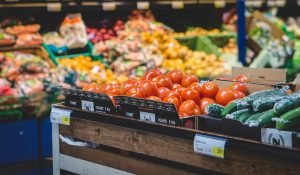
 Today’s fruits and vegetables may look picture-perfect, but their flavour often doesn’t live up to their appearance. Modern growing methods involve a host of interventions—pesticides, fertilisers, hydroponics, irradiation, forced ripening, genetic modification, growth inhibitors, and various storage chemicals.
Some of you might remember when tomatoes and stone fruit would bruise at the slightest touch. They were packed with great care, often cushioned between layers of tissue paper. Now, they’re bred to be firm and resilient—able to withstand rough harvesting, long transport, and extended time on supermarket shelves.
They might look perfect on the outside, but the truth is, most of the fruit and vegetables we buy today never get the chance to ripen naturally on the mother plant—and that’s where the real flavour used to come from
‘The natural ripening process of fruit and vegetables enhances flavours, sugars and antioxidant levels‘
The natural ripening process is what gives fruit and veggies their rich flavour, sweetness, and high antioxidant levels. It’s all thanks to the work of bacteria and enzymes, which produce ethylene — a natural gas that helps develop those sugars and vibrant flavours we associate with truly ripe produce.
But here’s the challenge: naturally ripened fruit and vegetables don’t last long. They bruise easily, lose moisture, and simply don’t cope well with the demands of large-scale production and long-distance transport. So, technology has stepped in. By slowing down or even stopping the activity of those natural bacteria and enzymes, producers can dramatically extend shelf life.
This is why we can now buy strawberries in winter and tomatoes all year round. Supermarkets can stock almost anything, any time of year. On one hand, we’ve gained convenience and variety — but on the other, we’ve lost touch with the rhythm of the seasons and the taste of produce that’s been allowed to ripen naturally.
Most commercially grown fruit and vegetables spend much of their lives in the dark. Keeping them away from natural light slows down bacterial and enzyme activity — and in turn, delays deterioration.
Some produce can sit in carefully controlled storage for weeks, even months, before showing signs of ageing. And storage facilities — whether during transport or in big supermarket warehouses — have a few clever tricks to keep everything looking fresh until it hits the shelves.
By controlling the atmosphere with a mix of low temperatures and low humidity, they can slow down the natural enzymes and bacteria that cause ripening. Oxygen, which normally helps fruit and vegetables ripen, is reduced, while carbon dioxide (CO₂) levels are increased to help maintain that “fresh-picked” look.
Another key player is a gas called 1-MCP (1-methylcyclopropene). It works by blocking the production of ethylene, the natural gas that speeds up ripening — the same one responsible for why your mum or grandma might’ve told you not to store bananas next to apples, or to pop a banana in a paper bag to ripen other fruit faster.
1-MCP also helps prevent chlorophyll breakdown, which keeps broccoli and leafy greens looking bright and lush. With these kinds of inhibitors, produce like apples, pears, onions, garlic, and potatoes can be stored for up to 12 months before making their way into your shopping trolley.
While 1-MCP is brilliant for transport and shelf life, it’s not so great for taste or texture. Fruit kept this way often stays hard, bland, and lacking in aroma. That’s why you might sometimes bring home a perfect-looking apple or nectarine, only to find it rubbery, flavourless, or even brown on the inside. In most cases, it’s because the fruit was picked too early and then stored for too long in a tightly controlled environment — one that stops it from ripening naturally.
Big supermarkets will spruik the quality and freshness of their products, but how FRESH are they really?
It’s not just during the growing stage that fruit and vegetables are exposed to chemicals. Beyond the use of agricultural pesticides and herbicides, many types of produce are also chemically treated during transport and storage to keep them looking fresh and pest-free.
Leafy greens like lettuce and spinach, for example, are often sprayed with organophosphates — a group of chemicals that include both fungicides and insecticides. One commonly used fumigant is methyl bromide, which is applied not only to imported and locally grown produce but also to the soils where these crops are cultivated. You’ll often find this used with melons, citrus, avocados, asparagus, lettuce, and cabbage.
Before fruit and vegetables are shipped overseas, they’re often dipped for about a minute in a dimethoate solution — another broad-spectrum insecticide used to protect crops and orchards from pests. While effective, dimethoate is a highly toxic organophosphate that’s been linked to harmful effects on bees, aquatic life, and even livestock, especially when it runs off into waterways.
Storage will affect the nutritional quality of fruit and vegetables
Storage doesn’t just affect the taste and texture of fruit and vegetables — it also impacts their nutritional value. Water-soluble nutrients like vitamin C, B vitamins, folate, and beta carotene begin to break down the longer produce sits in storage.
Studies have found that keeping leafy greens for just a week can destroy more than half of their folate and beta carotene content. Take English spinach, for example — after only eight days in the fridge, it retains just 53% of its folate and 54% of its carotene.
The loss of vitamins is almost unavoidable when fresh produce is stored for long periods. So, when you’re choosing fruit and vegetables, try to avoid anything that looks wilted, dull, or wrinkly. That might sound easy enough, but supermarket lighting can make it tricky to spot these signs of ageing.
If truly fresh options aren’t available, frozen fruit and vegetables are actually a smart alternative. Studies show that their vitamin content is often comparable — and sometimes even higher — than that of “fresh” produce that’s been stored for days or weeks.
But here’s a bit of good news: in many types of fruit and vegetables, antioxidant levels actually increase in the first two to three days after harvest, thanks to the continued ripening process.
Why your fruit and veg might not be as high in vitamin C as you think
Vitamin C is one of the most reactive — and short-lived — nutrients, which means it’s easily lost under a range of common conditions. A few key factors can make a big difference to how much vitamin C actually ends up on your plate.
- Picked too early: When produce is harvested before it’s fully ripe, it never reaches its full vitamin C potential. Fruits like tomatoes, bananas, stone fruit, citrus, and pears are often picked green so they can handle transport and storage better. Later, they’re force-ripened with ethylene — a gas made from ethanol — to make them look ready before their time.
- Fertilisers at play: The use of nitrogen fertilisers, which are standard in modern farming, has been shown to lower vitamin C levels in fruit and vegetables.
- Handling and storage: Post-harvest processing, fluctuating temperatures, and long storage times all contribute to vitamin C loss. Oxygen naturally breaks down vitamin C, which is why many storage facilities control the atmosphere with about 10% carbon dioxide (CO₂) to slow the process.
- Bruising and pre-cut produce: Cutting, bruising, or even rough handling of fruit and vegetables can rapidly destroy vitamin C. So, while those handy pre-cut and plastic-wrapped fruit packs might seem convenient, they’re not the best choice if you’re aiming to get the most nutrition from your food.
How to Pick the Best from the Bunch
When it comes to choosing fresh fruit and veggies, a few simple habits can make all the difference. Here are some easy tips to help you get the best quality and nutrition from your produce:
- Buy local. Locally grown produce is usually fresher, has travelled less distance, and often tastes better too.
- Buy small and eat it soon. Choose smaller quantities and try to use them within a week — fresher is always better.
- Avoid imported produce. Check the labels and, where possible, support local growers. Imported fruit and vegetables often spend weeks in transit and storage.
- Go seasonal. Seasonal produce is naturally fresher, tastier, and often more nutrient-rich.
- Visit your local farmers market. You’ll not only find fresher food but also get to know the people who grow it — and they’re usually happy to share great tips.
- Take a closer look. Examine your produce carefully. Check the stems, the corners of bananas, and the skin for wrinkles, bruises, or dents — these can be signs of ageing or damage.
- Give it a wash. Always wash your fruit and vegetables before eating — most fresh produce is coated with residues from pesticides, herbicides, and other agricultural sprays used during growing and storage. A good rinse (or soak) helps remove much of what’s left on the surface.
Tips in how to recognise signs of age and quality decline in fresh produce
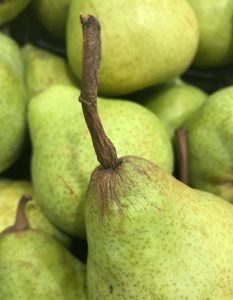


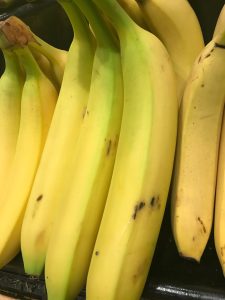

The above photos of cucumbers, pears, bananas, and cherries show common signs of damage and age. Avoid fruit and vegetables that have pitted or dented surfaces and wrinkled, dry stems — these are typical signs of prolonged storage and dehydration. Such blemishes can be difficult to spot under supermarket lighting.
Bananas with prominent, angular corners are often a result of premature harvesting. These fruits tend to have little flavour or sweetness. In contrast, a naturally ripened banana has a rounded, full shape with no sharp corners — an indicator of proper ripening and richer taste.
We don’t always have the opportunity to buy local or organic, but a little knowledge can help us make better choices.
- One way to reduce contact with pesticides and herbicides is to choose fruits and vegetables that can be peeled. It is mostly the outer layer that contains residues.
- Smooth-skinned fruits like apples, pears, and stone fruits can be washed in warm water before eating. Don’t wash them all at once, as many fruits and vegetables have a natural wax on their surface that protects them from the elements and helps preserve moisture and nutrients.
- Broccoli and cauliflower, both from the Brassicaceae family, are among the most susceptible to retaining chemical residues in their tiny florets. If you are determined to avoid chemical residues, you can always grow your own or buy organic. However, an alternative is to wash (or soak) them in warm water with a good dash of vinegar or sodium bicarbonate (baking soda) mixed with a natural detergent. This helps dissolve the waxy layer — and with it, many of the chemical residues.
It may not be a perfect solution, but we shouldn’t become too pedantic about chemicals, as it’s nearly impossible to avoid them entirely. We consume, inhale, and absorb small amounts of chemicals daily.
More importantly, the body has the ability to metabolise and excrete these toxic substances via the liver. The good news is that the nutrients that support this detoxification process are all found in the variety of fruits and vegetables we eat.